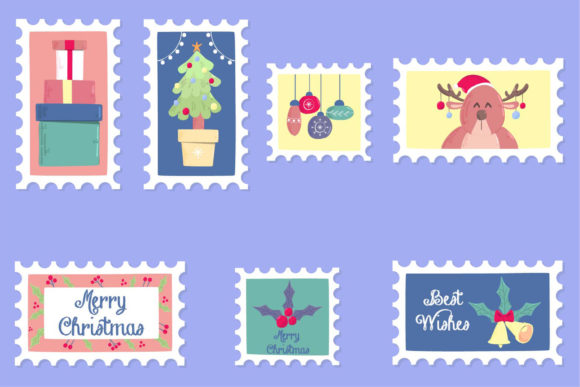
Christmas Animal Illustration Cat: Editorial & Web Use
As a digital publisher who spends hours tweaking layouts and obsessing over pixel-perfect headers, I approach every new graphic design asset with a critical eye. It is not enough for an image to be cute; it must perform. When I first opened the files for the Christmas Animal Illustration Cat, my immediate reaction was one of relief. In a sea of generic holiday clipart that often feels cheap or overly saturated, this collection offers a refined, editorial quality that is rare to find in standard stock libraries. The mood is distinctly lifestyle-focused yet playful, striking a balance that works beautifully for modern blogs, affiliate sites, and content creators looking to elevate their seasonal branding without sacrificing professionalism.
The visual language here speaks directly to reader trust. When a visitor lands on a website during the holidays, they are bombarded with noise. A cohesive, high-quality visual identity helps cut through that clutter. This specific set of Illustrations feels hand-crafted and intentional, suggesting that the publisher behind the content cares about details. Whether you are running a pet niche site, a family lifestyle blog, or a creative entrepreneur selling digital products, these assets support a narrative of warmth and authenticity. They do not scream "stock photo"; instead, they whisper "curated experience," which is exactly what we need to drive engagement in today's saturated market.
Integrating Assets into Real Publishing Workflows
Let's talk about practical application. The true value of the Christmas Animal Illustration Cat lies in its versatility across a real-world publishing workflow. I immediately envisioned using these graphics as featured images for blog posts discussing holiday pet safety, gift guides for cat owners, or cozy winter routines. Because the style is clean and modern, it scales exceptionally well. You can place these illustrations on a massive website header without losing detail, or shrink them down for a Pinterest pin where they still retain their charm and clarity.
For newsletter creators, these assets are a goldmine. Imagine a holiday edition of your email marketing campaign featuring a custom banner built around one of these cats. It instantly breaks up text-heavy emails and increases click-through rates by providing a visual anchor. Furthermore, for those of us creating digital products, these illustrations are perfect for eBook covers, worksheet accents, or the cover art of a digital guide on holiday planning. If you are an affiliate marketer, using these unique visuals in your product roundups can help your content stand out against competitors using the same manufacturer photos. They add a layer of creative design that makes your affiliate marketing content feel more like a helpful resource and less like a sales pitch.
Boosting Performance Through Visual Hierarchy
In editorial design, visual hierarchy is everything. We use size, color, and placement to guide the reader's eye. The Christmas Animal Illustration Cat supports this by offering clear focal points. When placed beside a bold headline, the illustration draws the eye in, creating a stronger first impression. This leads to better category recognition; if you use a consistent style of cat illustration across all your December content, readers will begin to associate that specific look with your brand's holiday coverage. This consistency builds a stronger brand identity and improves reader trust, as the site feels polished and professionally managed.
These assets also excel in creating clickable social media graphics. On platforms like Instagram or Facebook, where users scroll rapidly, an image that looks distinct and high-quality stops the thumb. The artistic style here is decorative enough to catch attention but simple enough to ensure that any overlay text remains readable. This is crucial for content marketing success. A cluttered image kills conversion; a clean, well-composed image drives it. By using these design assets, you ensure that your social previews look cohesive with your actual blog content, reducing bounce rates when users click through to your site.
Strategic Placement and Usage Caution
While these illustrations are powerful, they must be used strategically. They work best as hero images, article thumbnails, and editorial accents within a white or light-colored layout. They are ideal for lead magnet cover pages and downloadable resources where the focus is on the visual appeal of the offer. However, caution is required when using them in very small mobile thumbnails where fine lines might disappear. Additionally, avoid placing them on low-contrast backgrounds or busy layouts where the delicate details of the cat could get lost. If your niche is strictly corporate or requires a very minimal, sterile visual system, these playful holiday assets might feel out of place. They thrive in environments that welcome personality and seasonal warmth.
It is also vital to consider typography pairing. I tested these illustrations against various font styles. They pair wonderfully with serif fonts for a classic, storybook feel, and they look surprisingly modern next to clean sans-serif fonts. You can even get away with script or handwritten fonts for a more whimsical touch, provided the text remains legible. Avoid overly decorative display fonts that compete with the illustration; let the cat be the star.
Essential Publisher Notes for Implementation
Before you deploy the Christmas Animal Illustration Cat across your web design projects, there are technical checks to perform. Always test the images on both desktop and mobile screens to ensure they load quickly and look crisp on high-DPI displays. Check how the illustration looks as a thumbnail in your specific theme; sometimes colors shift or details blur at smaller sizes. Preview the image inside a real blog layout with your actual headline text to check contrast and readability. It is also wise to try the image in black and white to see if it holds up for print or grayscale contexts.
From a performance standpoint, review the file size. Large, uncompressed images can slow down your site, hurting your SEO. Compress images properly using tools like TinyPNG before uploading them to your media library. Finally, and perhaps most importantly, confirm the commercial license terms. If you are using these on monetized websites, affiliate pages, or in paid content products like a Canva template kit or printable design pack, you must ensure you have the right to do so. Purchasing from a reputable creative marketplace usually provides this clarity, allowing you to use these commercial design elements with confidence in your small business branding efforts. When used correctly, this digital download becomes more than just an image; it becomes a cornerstone of your holiday content strategy.