Christmas Bear Clipart: A Designer's Stitch Review
As someone who spends more time staring at stitch maps than most people spend looking at their phones, I approach every new machine embroidery design with a healthy dose of skepticism. We have all been there: you download a cute graphic, load it into your software, and realize too late that the density is going to turn your fabric into cardboard or the tiny details will vanish under a blanket of thread. That is exactly why I decided to put Christmas Bear Clipart under the microscope before committing it to a client project. This isn't just about whether the image looks good on a screen; it is about how those Illustrations translate into physical thread on real-world textiles.
First Impressions and Visual Personality
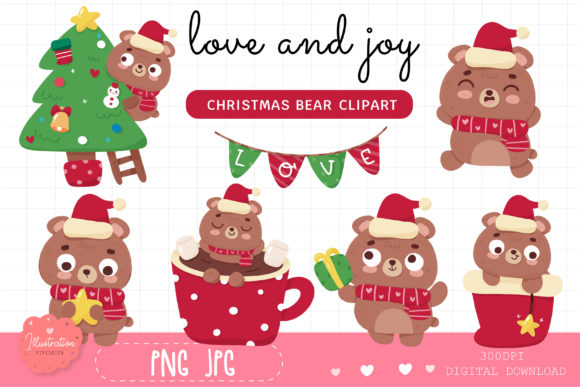
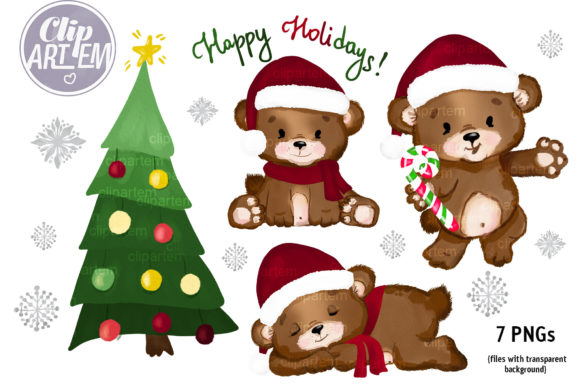
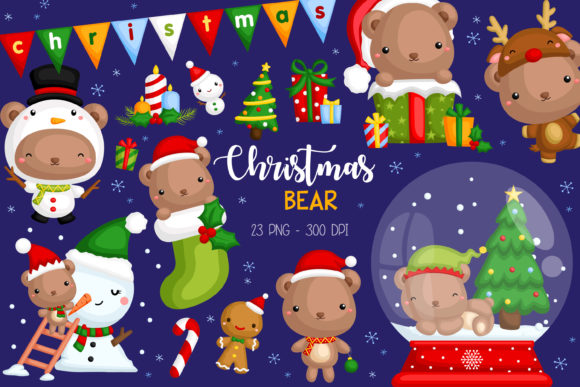
When I first pulled up the Christmas Bear Clipart file, the immediate vibe was cozy nostalgia. There is a specific mood that holiday bears evoke—a blend of whimsy and warmth that screams "handmade gift." The shape language feels soft and rounded, which is generally a good sign for embroidery. Sharp, jagged corners often cause thread breaks or require excessive trimming, but this design seems to favor curves that a needle can navigate smoothly. The layout appears balanced, suggesting that the artist understood how fill areas interact with negative space. For a designer, this visual personality signals that the piece is ready for applications where charm matters more than hyper-realism. It feels like it belongs on a heirloom blanket or a boutique holiday card rather than a corporate logo.
Real-World Application: The Holiday Tote Test
To truly gauge the value of this asset, I imagined a specific real-life scenario: preparing a run of custom embroidered tote bags for a local craft fair. Tote bags are tricky; the canvas is heavy, textured, and unforgiving if the stitch count is too high. In this context, Christmas Bear Clipart shines as a potential centerpiece. Because the design likely relies on solid shapes rather than microscopic detailing, it would hold up well against the rough weave of canvas or cotton twill.
I can easily picture this working as a sweatshirt embroidery element as well. On a fleece hoodie, the loft of the fabric can sometimes swallow small designs, but the bold silhouette of a bear usually punches through nicely. If I were creating a personalized gift for a baby, such as a onesie or a receiving blanket, the softness of the bear motif fits the aesthetic perfectly. However, for baby embroidery, one must always be mindful of scratchy satin stitches near sensitive skin, so checking the back of the stitching is crucial. For an Etsy seller looking to expand their holiday catalog, this type of design offers versatility. It could be scaled down for an embroidered patch sewn onto a beanie or enlarged for a pillow cover that becomes the star of a living room display.
Navigating Fabric Challenges and Technical Limits
While the design has potential, practical experience dictates that we proceed with caution in certain areas. If you plan to use Christmas Bear Clipart on stretchy fabrics like jersey knits or performance wear, the stability of the design becomes paramount. Without the right stabilizer, even a well-digitized design can pucker, distorting the bear's cute features into something unrecognizable. Similarly, dark fabrics present a challenge. If the original Illustrations rely on light thread colors for definition, you must ensure there is enough contrast against navy or black garments.
Small hoop sizes are another constraint. If the bear includes intricate elements like facial features or tiny accessories, cramming them into a 4x4 hoop might compromise the stitch density. You might find that what looks crisp on the monitor becomes a blob of thread on the garment. Curved surfaces, such as caps, also demand attention. Placing a wide design on the front panel of a baseball cap can lead to registration issues if the design isn't specifically column-built for curvature. For these scenarios, I recommend running a test on scrap fabric that matches your final material. Check how the running stitch outlines behave and whether the fill stitch areas gap or bunch up.
Impact on Brand Value and Customer Perception
In the world of commercial embroidery and small business merchandise, the quality of your design assets directly influences customer trust. A sloppy finish tells a buyer that you cut corners; a clean, professional stitch job tells them you care. Christmas Bear Clipart, when executed correctly, elevates the perceived value of the finished product. It transforms a plain tea towel into a cherished holiday tradition or a simple apron into a festive statement piece. For creative entrepreneurs, consistency is key. If this bear fits your brand's whimsical, handcrafted aesthetic, it reinforces your identity across different products, from tote bag design to nursery decor.
Furthermore, the "giftability" factor cannot be overstated. During the holidays, customers are looking for items that feel special and unique. A well-stitched bear design adds an emotional connection that mass-produced prints simply cannot match. It suggests time, effort, and artistry went into the creation, which justifies a higher price point for your handmade product.
Essential Notes for the Professional Maker
Before you commit to a full production run, here are my top recommendations for working with this specific style of graphic:
- Test First: Always stitch out the design on a scrap piece of your actual project fabric. What works on quilting cotton might fail on corduroy.
- Check Contrast: View your digital mockup in black and white. If the details disappear in grayscale, they will likely get lost in the stitching too.
- Review Density: Look closely at the stitch map in your software. Are there areas where three or four layers of thread overlap? These spots can cause needle deflection or fabric stiffness.
- Verify Licensing: Since many of us are Etsy sellers or run small shops, confirm the license terms. Can you sell the physical item? Can you sell the digital embroidery file itself? Never assume.
- Stabilizer Selection: Don't skimp here. For a design like this, a cut-away stabilizer might provide better long-term durability for items that will be washed frequently, whereas tear-away might suffice for wall art.
Ultimately, Christmas Bear Clipart represents that sweet spot between festive fun and technical feasibility. It is the kind of applique design or standard fill graphic that, when treated with respect and proper technique, can become a staple in your holiday collection. Whether you are decorating a kitchen towel or branding a line of boutique children's wear, the success lies in the preparation. By understanding the limitations of your materials and the nuances of the design, you ensure that the final result brings joy rather than frustration. Happy stitching!