Old Fashioned Christmas 13: A Designer's Review for Holiday Projects
As we approach the peak season for holiday crafting, finding the right machine embroidery design can make or break a product line. I recently spent some time evaluating Old Fashioned Christmas 13, a piece from the Illustrations category, to see if it holds up under the scrutiny of real-world production. My goal was simple: determine if this embroidery file is suitable for client orders, Etsy listings, or high-end boutique gifts without requiring excessive troubleshooting.
First Impressions and Visual Personality
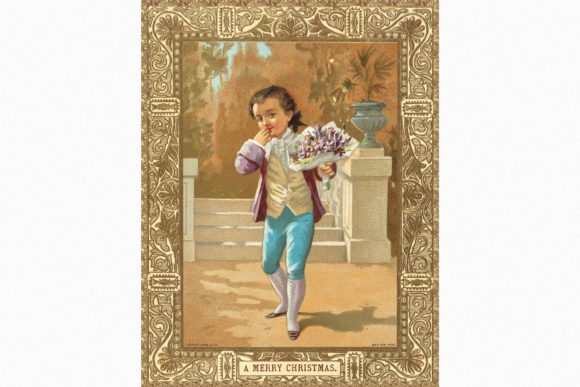
Upon opening the preview, Old Fashioned Christmas 13 immediately establishes a nostalgic mood. The layout feels balanced, avoiding the clutter that often plagues vintage-style graphics. What stands out is the clarity of the lines; even in a digital mockup, you can distinguish where the satin stitch borders end and the fill stitch areas begin. This separation is crucial for maintaining definition once the needle hits the fabric.
The theme leans heavily into traditional aesthetics, making it an ideal candidate for customers seeking that "home for the holidays" feel. Unlike some modern, abstract takes on Christmas imagery, this design relies on recognizable shapes and classic proportions. For a designer, this means less explaining to clients and more instant recognition. The visual personality suggests warmth and tradition, which translates exceptionally well to physical products like kitchen linens or heirloom-quality ornaments.
Real-World Application: The Tote Bag Test
To truly gauge the viability of Old Fashioned Christmas 13, I mentally walked through a specific project scenario: creating a limited run of custom canvas tote bags for a local bakery's holiday gift set. Canvas is a forgiving but textured medium, often challenging for designs with fine details.
In this context, the design shines. The density appears moderate enough to prevent the canvas from puckering excessively, provided a cut-away stabilizer is used. When imagining the finished product, the contrast between the thread and the natural bag color creates a striking look. It doesn't get lost in the weave of the fabric. For an Etsy seller or small shop owner, this versatility is gold. You aren't locked into just one type of garment; this embroidery project adapts well to various substrates.
If I were stitching this onto a heavy cotton sweatshirt, the result would likely be a premium-looking piece of custom apparel. The scale of the illustration fits comfortably on the chest or sleeve without overwhelming the garment. It avoids the "stiff cardboard" effect that happens when stitch density is too high, ensuring the wearer remains comfortable.
Navigating Fabric Challenges and Hoop Limitations
While Old Fashioned Christmas 13 is robust, it is not without its constraints. Designers must exercise caution when working with stretchy fabrics like jersey knits or thin materials such as silk blends. Without proper stabilization, the intricate areas could distort. I recommend testing the design on scrap fabric that matches your final material before committing to a client order.
Another consideration is the hoop size. Depending on the specific file version you purchase, ensure the design fits within your machine's maximum hoop capacity, especially if you plan to embroider curved surfaces like caps. Caps are tricky; the curvature can compress the design vertically. For Old Fashioned Christmas 13, placing it on a structured cap might require adjusting the pull compensation or selecting a version of the file optimized for headwear.
Dark fabrics present another variable. If you plan to use this on navy or black garments, verify that the suggested thread colors provide sufficient opacity. Sometimes, a design looks vibrant on a white background in a preview but appears washed out on dark fabric unless an underlay or additional pass is utilized. Always run a test stitch-out on a dark swatch to check coverage.
Commercial Viability and Brand Consistency
For those running a craft business, consistency is key to building trust. Old Fashioned Christmas 13 offers a level of professionalism that elevates a handmade product from a hobbyist item to a boutique commodity. The clean execution suggests attention to detail, which customers subconsciously associate with quality.
When creating printable mockups for your online store, this design renders beautifully. Its clear lines translate well into digital images, helping potential buyers visualize the personalized gift they are purchasing. Whether you are selling embroidered patches, aprons, or pillow covers, the aesthetic consistency helps in branding your holiday collection.
However, a critical reminder for commercial users: always confirm the licensing terms associated with the digital embroidery file. While many designs allow for unlimited physical sales, restrictions may apply to reselling the file itself or using it in certain large-scale manufacturing contexts. Protect your business by reading the fine print before listing items.
Practical Notes for the Studio
Before diving into production with Old Fashioned Christmas 13, consider these practical steps to ensure success:
- Test on Scraps: Never skip the test stitch. Check how the stitch density interacts with your specific fabric texture.
- Thread Selection: Experiment with matte versus rayon threads. A matte finish might enhance the vintage vibe of this illustration, while rayon adds a festive shine.
- Stabilizer Choice: Match your stabilizer to the fabric weight. Heavier items may need only tear-away, but stretchy or delicate fabrics demand cut-away support.
- Detail Inspection: Zoom in on small corners and lettering (if any) in the preview. Ensure your machine can handle the smallest elements without thread breaks.
- Contrast Checks: View the design in black and white to assess value contrast. This helps predict visibility on low-contrast fabrics.
Final Verdict on Old Fashioned Christmas 13
In the landscape of holiday design assets, Old Fashioned Christmas 13 stands out as a reliable and versatile choice. It bridges the gap between artistic charm and technical feasibility. It is not just a pretty picture; it is a functional component for creating memorable holiday embroidery projects.
Whether you are decorating a nursery, creating baby embroidery for a shower gift, or stocking your shop with seasonal merchandise, this design delivers. It respects the limitations of the embroidery medium while maximizing visual impact. For the serious maker, it represents a safe bet that minimizes risk and maximizes the potential for a beautiful finished product. Just remember to respect the technical requirements of your machine and materials, and this illustration will serve as a cornerstone of your holiday collection.