Happy Christmas Clipart: Festive Illustrations for Blogs
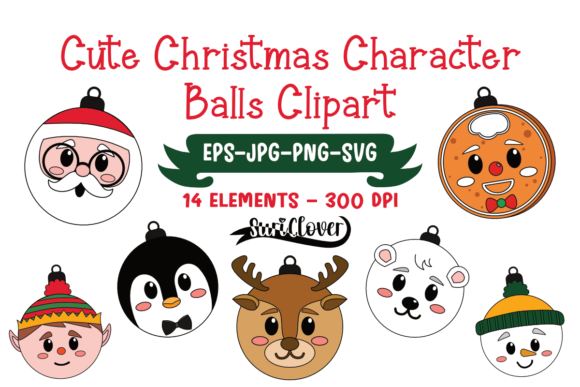
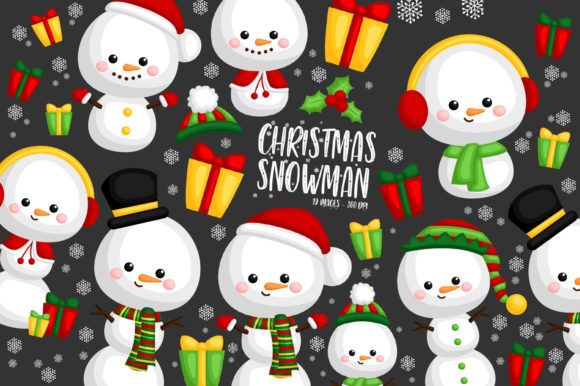
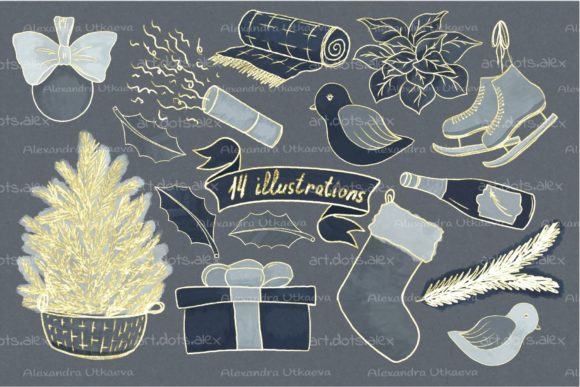
As a digital publisher who has spent years refining the visual identity of multiple content sites, I approach every new graphic design asset with a critical eye. It is not enough for an image to be pretty; it must perform. When I first opened the files for Happy Christmas Clipart, my immediate thought was about versatility. In the high-stakes world of content marketing, especially during the Q4 holiday rush, your visuals need to stop the scroll instantly. This collection strikes a delicate balance between playful seasonal charm and the clean lines required for professional editorial design.
The mood these Illustrations create is undeniably warm and inviting, yet they avoid the cluttered, overly busy aesthetic that often plagues holiday graphics. For bloggers and website owners, this is crucial. A chaotic header can distract from your headline, reducing click-through rates. These assets feel lifestyle-focused but polished enough for small business branding. Whether you are running a food blog, a parenting site, or an affiliate marketing hub, the style supports a narrative of joy without sacrificing readability.
Integrating Seasonal Assets into Your Publishing Workflow
In a real-world publishing scenario, time is your most valuable currency. Imagine you are preparing your content calendar for December. You need featured images for five different articles, a set of Pinterest pins, and a banner for your newsletter. Using Happy Christmas Clipart streamlines this process significantly. Because the elements are distinct and well-defined, they integrate seamlessly into Canva template workflows. You can drag and drop these elements onto your existing layouts without needing to mask or heavily edit them.
For website header updates, these graphics offer an instant refresh. Swapping out your standard hero image for one featuring these festive touches signals to your readers that your site is active and current. This psychological cue is powerful in building reader trust. Furthermore, for those creating digital products like holiday planners or recipe eBooks, these clips serve as perfect decorative accents on covers and interior pages. They elevate a simple PDF into a premium digital download that feels worth the price.
Maximizing Click-Through Potential with Visual Hierarchy
The primary goal of any blog graphics strategy is to guide the eye. Strong visual hierarchy ensures that the viewer sees the headline first, then the supporting image, and finally the call to action. Happy Christmas Clipart supports this by offering elements that frame content rather than overpowering it. When designing Pinterest pin graphics, I found that placing these illustrations in the corners or as background watermarks allowed the text to remain the hero. This clarity directly correlates to better performance on social platforms where users scan quickly.
Consistency is another factor that drives performance. By using a cohesive set of design assets across your category thumbnails and social media previews, you strengthen your brand identity. Readers begin to recognize your specific "look," which fosters loyalty. If you are an affiliate marketer, this professionalism is even more critical. High-quality visuals suggest that the products you recommend are equally high-quality, indirectly boosting conversion rates.
Ideal Use Cases for Editorial and Web Design
These assets shine brightest when used strategically. Here is where I recommend deploying them for maximum impact:
- Hero Images: Use larger compositions to set the tone for landing pages or major holiday guides.
- Article Thumbnails: Select single, bold icons to represent specific topics within a listicle.
- Newsletter Headers: Create a festive top bar that increases open rates by signaling special seasonal content.
- Content Upgrades: Decorate worksheets and checklists to make them feel like gifts rather than chores.
- Social Media Previews: Ensure your shared links look vibrant in Facebook and LinkedIn feeds.
However, discretion is key. While these Illustrations are versatile, they may not suit every context. In serious professional niches, such as legal advice or corporate finance blogs, heavy use of festive clipart can undermine authority. Similarly, on mobile devices where screen real estate is limited, avoid using intricate details that might blur into noise. Always test how the asset looks as a small thumbnail before committing it to a live web design.
Technical Considerations for Publishers
Before publishing, there are several practical steps every creator should take. First, test your designs on both desktop and mobile screens. What looks balanced on a wide monitor might appear cramped on a smartphone. Check the contrast levels, especially if you are overlaying text. Ensure your headlines pop against the background, regardless of whether you are using serif, sans serif, script, or display fonts.
File performance is another non-negotiable aspect of modern web design. Large image files slow down page load times, which hurts SEO and user experience. Always compress your images properly after exporting them from your design software. Additionally, verify the licensing terms. Since many of us operate monetized websites or sell printable design products, confirming that you have a valid commercial license is essential to avoid legal issues down the road. This particular asset is cleared for commercial design use, making it safe for affiliate pages and paid content products.
Ultimately, Happy Christmas Clipart is more than just a collection of holiday images; it is a tool for enhancing communication. When used thoughtfully, it transforms standard content into an engaging visual experience. For creative entrepreneurs and online educators, leveraging these assets can mean the difference between a post that gets ignored and one that gets shared. By focusing on clarity, consistency, and technical optimization, you can ensure that your holiday content not only looks festive but also drives real results for your business.