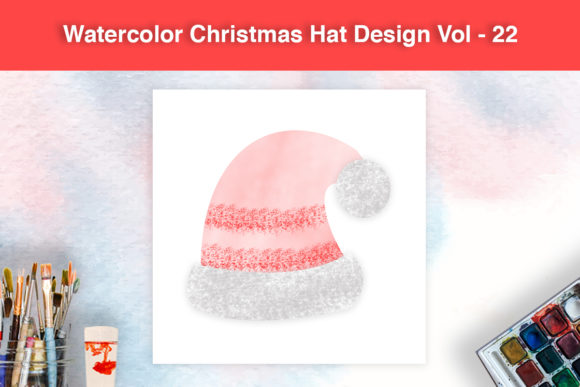
Review: Watercolor Christmas Hat Design Vol - 22
As a designer who spends more time at the hoop than away from it, I approach every new machine embroidery design with a mix of curiosity and caution. When I first opened the files for Watercolor Christmas Hat Design Vol - 22, my immediate reaction was one of relief. In a market saturated with rigid, pixel-perfect vector graphics that often feel cold when translated into thread, this collection brings a necessary softness to holiday projects. The aesthetic here is distinctly painterly, capturing the fluid, bleeding edges of watercolor art while maintaining the structural integrity required for a successful embroidery project.
The Aesthetic: Soft Edges in a Hard Stitch World
The visual personality of this volume is its strongest asset. The designs mimic the organic spread of ink on wet paper, which is a notoriously difficult effect to achieve with thread. Typically, trying to replicate watercolor results in choppy, jagged lines or overly dense blocks of color that ruin the drape of the fabric. However, these files utilize a clever combination of fill stitch variations and strategic running stitch outlines to create depth without heaviness. The mood is nostalgic and warm, perfectly suited for the current trend of "cozy cottage" holiday decor.
For those of us selling handmade products, the look of the final piece matters just as much as the speed of production. These designs feel less like industrial stamps and more like custom illustrations. This distinction is crucial for Etsy sellers and boutique owners who need to justify higher price points. A customer can tell the difference between a generic clip-art conversion and a thoughtfully digitized piece that respects the medium of embroidery.
Real-World Application: The Holiday Sweatshirt Test
To truly evaluate Watercolor Christmas Hat Design Vol - 22, I moved past the screen and into the studio. My test case was a custom order for a local boutique: a run of oversized, heather-grey fleece sweatshirts intended as holiday gifts for staff. Fleece is a tricky beast; it has a nap, it stretches, and it can easily swallow fine details.
I selected a design from the volume featuring a whimsical winter hat motif. Because the design relies on blended colors rather than hard borders, I was concerned about how the threads would interact with the fuzzy texture of the fleece. After hooping with a heavy-duty cutaway stabilizer—non-negotiable for stretchy fabrics—the result was impressive. The stitch density was balanced enough that the fabric didn't pucker, yet dense enough to cover the grey background completely. The watercolor effect shone through, giving the sweatshirt embroidery a high-end, hand-painted appearance that standard satin blocks simply cannot achieve.
This specific application highlights where this volume shines: custom apparel meant for casual wear. The softer stitch structure means the finished product remains flexible and comfortable, avoiding that stiff, cardboard-like feeling often associated with large holiday logos on chest areas.
Versatility Across Product Lines
Beyond apparel, I see immense potential for these designs in home goods. Imagine these motifs on a linen tote bag design or a set of kitchen tea towels. The illustrative nature of the files fits seamlessly into the "farmhouse chic" aesthetic that dominates modern home decor. For small shop product lines, consistency is key. Using a cohesive volume like this allows a maker to create a full suite of items—from aprons to pillow covers—that look like they belong to the same brand family.
For digital embroidery file sellers or those creating printable mockups, the visual appeal here is a goldmine. The designs photograph beautifully because the thread play creates natural shadows and highlights, adding dimension to product photos without needing complex lighting setups. Whether you are creating an embroidered patch for a jacket or detailing a baby embroidery item for a nursery, the gentle themes avoid being overly childish while remaining festive.
Technical Considerations and Fabric Choices
While the designs are robust, they are not without their limitations. As with any Illustrations-style digitization, attention must be paid to fabric choice. On dark fabrics, the watercolor effect might lose some of its translucency unless the underlay is perfect or the design includes a built-in background fill. I strongly advise running a test on scrap fabric of the exact same weight and texture as your final material.
Caution is also needed with very small hoop sizes. Some of the more intricate details in the volume, particularly the delicate drips and splashes that define the watercolor look, may get lost if scaled down too aggressively. If you are working on a cap or a curved surface, ensure your hoop size accommodates the design without forcing excessive distortion. Additionally, for items that will undergo frequent washing, such as kitchen towels or children's clothing, verify that the thread colors chosen have high colorfastness, as the blending effect relies on distinct hues staying true.
Maximizing Value for Your Craft Business
Incorporating Watercolor Christmas Hat Design Vol - 22 into your workflow can significantly elevate your brand perception. Customers trust makers who pay attention to detail, and the superior stitch clarity of these files signals professionalism. It moves your work from "homemade" to "hand-crafted artisan."
Before launching a commercial line using these assets, always double-check the licensing terms provided with the download. While many designers allow for unlimited physical sales, restrictions on reselling the digital files themselves are standard. Confirming these details protects your craft business and ensures long-term viability.
Ultimately, this volume is a practical tool for the modern embroiderer. It solves the common problem of holiday designs feeling dated or too rigid. By offering a fresh, artistic take on seasonal icons, it allows creators to produce finished products that resonate emotionally with buyers. Whether you are a hobbyist making gifts for family or a seasoned pro fulfilling bulk orders, the adaptability and charm of these designs make them a worthy addition to your library.
My final advice? Don't just stick to red and green. Experiment with non-traditional thread colors like slate blues, muted golds, or soft creams to create unique variations that set your commercial embroidery offerings apart from the big-box store competition. The watercolor style invites experimentation, so let the thread do the painting.