Christmas Illustration Deer: A Designer's Take on Holiday Stitching
As we approach the peak season for holiday crafting, finding a design that balances whimsy with technical reliability is often the hardest part of the job. I recently spent some time evaluating the Christmas Illustration Deer to see if it holds up under the scrutiny of real-world production. For those of us running small shops or creating personalized gifts, a pretty preview image isn't enough; we need to know how a machine embroidery design behaves when the needle hits the fabric. This review breaks down the practical application of this file, moving beyond the digital mockup to the actual stitched reality.
First Impressions and Visual Personality
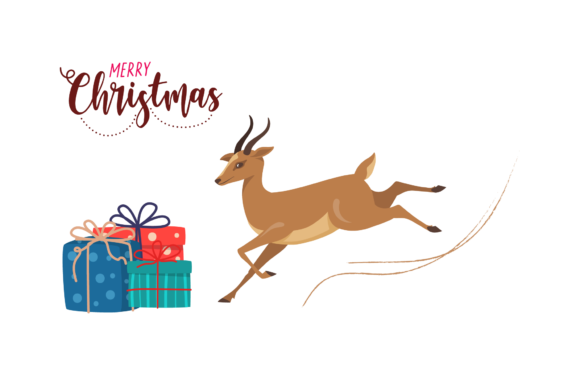
The moment you load the Christmas Illustration Deer into your software, the first thing that stands out is its narrative quality. Unlike generic clipart-style vectors, this piece carries the warmth of a hand-drawn sketch translated into stitches. The layout suggests a classic holiday mood, likely utilizing a mix of fill stitch for the body to create texture and satin stitch for defining outlines or festive accents like antlers and scarves.
From a design perspective, the silhouette is strong. It avoids the common pitfall of overly intricate details that get lost in translation when scaled down. The visual personality feels cozy and inviting, making it an ideal candidate for products meant to evoke nostalgia. Whether you are aiming for a rustic cabin aesthetic or a modern boutique look, the clean lines and balanced proportions of this Illustrations category asset provide a solid foundation. It doesn't scream for attention; instead, it invites the viewer to look closer, which is exactly what you want for high-end handmade items.
Real-World Application: The Tote Bag Test
To truly gauge the viability of the Christmas Illustration Deer, I mentally walked through a specific project scenario: a custom embroidered tote bag for a holiday market stall. Tote bags are tricky because canvas has a distinct weave and can be prone to shifting if not stabilized correctly.
In this context, the design shines. The density appears moderate, meaning it won't cause the fabric to pucker excessively, a common issue with heavy holiday motifs. If you were to apply this to a natural cotton canvas, the contrast between the thread colors and the fabric texture would create a beautiful, tactile finish. Imagine a cream-colored bag with deep forest green and burgundy threads; the result is a professional-looking handmade product that justifies a higher price point.
Beyond tote bags, this design translates exceptionally well to sweatshirt embroidery. Fleece and French terry can swallow up fine details, but the robust structure of this deer illustration ensures the subject remains recognizable even on plush fabrics. It would also make a charming addition to baby embroidery projects, such as a holiday onesie or a nursery pillow cover, provided you scale it appropriately for the smaller hoop area.
Versatility Across Product Lines
The true value of a versatile digital embroidery file lies in its adaptability. Here is where the Christmas Illustration Deer offers significant potential for diverse inventory:
- Apparel Decorators: Perfect for the left chest of a cardigan or the back yoke of a flannel shirt.
- Home Decor: Excellent for tea towels and aprons, where the horizontal or vertical orientation can be adjusted based on the garment cut.
- Patch Makers: The clear borders make it an ideal candidate for creating iron-on or sew-on embroidered patch designs.
- Etsy Sellers: Works beautifully on throw pillow covers, adding a seasonal touch without overwhelming the room's decor.
For commercial embroidery projects, consistency is key. This design seems to maintain its integrity across different scales, which is crucial if you are offering the same motif on both a large blanket and a small coaster.
Technical Considerations and Fabric Challenges
While the aesthetic appeal is high, a responsible designer must address the technical limitations. No design is universal, and the Christmas Illustration Deer requires thoughtful placement.
If you are working with stretchy fabric like jersey knits for t-shirts, you must be vigilant about stabilization. The fill areas, while not overly dense, still exert tension on the material. Using a cut-away stabilizer is highly recommended to prevent distortion after washing. Similarly, when stitching on dark fabric, pay close attention to the thread color selection. If the original file relies on light threads for highlights, ensure there is sufficient underlay or consider manual editing to prevent the dark background from showing through and muddying the colors.
Curved surfaces, such as caps, present another challenge. The center of the deer might stitch out perfectly, but the outer edges of the antlers or surrounding decorative elements could suffer from registration issues on a structured cap front. In these cases, testing on a scrap piece of the exact same material is non-negotiable. Additionally, if the design includes any tiny lettering or minute details near the edges, verify that your machine's resolution can handle them at your intended size. Tiny running stitch details can sometimes disappear on textured towels or looped fabrics.
Enhancing Brand Value and Customer Trust
Ultimately, the choice of design assets directly impacts your brand perception. Using a high-quality motif like the Christmas Illustration Deer signals to your customers that you care about the finished product. A crisp, well-stitched design builds trust. When a customer receives a personalized gift that looks professionally executed rather than homemade in a hasty manner, they are more likely to return.
This design supports brand consistency because it is distinctive without being trendy to the point of dating quickly. It fits seamlessly into a cohesive holiday collection. For those creating printable mockups for online listings, the clear lines of this illustration photograph well, ensuring your digital storefront matches the quality of the physical item.
Final Designer Notes and Best Practices
Before committing this design to a client's order or a large batch of inventory, adhere to these practical steps:
- Test on Scrap: Always stitch a sample on the exact fabric and stabilizer combination you plan to use for the final product.
- Check Thread Contrast: Review the color sequence. You may want to swap certain shades to better match your specific brand palette or fabric choice.
- Verify Licensing: Since this is a potential craft business asset, confirm the license terms regarding commercial use. Ensure you are allowed to sell finished physical goods or if there are restrictions on digital redistribution.
- Inspect Density: Look at the stitch count relative to the size. If it feels too heavy for a lightweight fabric, consider reducing the density in your editing software.
- Mockup Testing: Create black and white mockups to ensure the design reads well even without color, which helps in assessing shape clarity.
The Christmas Illustration Deer is a strong contender for your holiday lineup. It offers the charm necessary for seasonal sales while maintaining the structural integrity required for durable, washable goods. By approaching it with a critical eye and proper preparation, you can transform a simple embroidery project into a standout finished product that delights customers and elevates your small shop's reputation.