Merry Christmas Golden 3D Ball: A Designer's Review
When I first pulled up the Merry Christmas Golden 3D Ball on my screen, my immediate reaction wasn't just about the holiday spirit; it was about technical execution. As someone who spends hours tweaking digitizing settings and troubleshooting thread breaks, I look at every new machine embroidery design with a critical eye. This piece falls under the Illustrations category, which often implies a higher level of detail and artistic flair compared to standard block lettering or simple icons. The question I always ask before committing to a project is simple: will this translate from a digital preview to a tangible, high-quality finished product without causing headaches?
First Impressions and Visual Personality
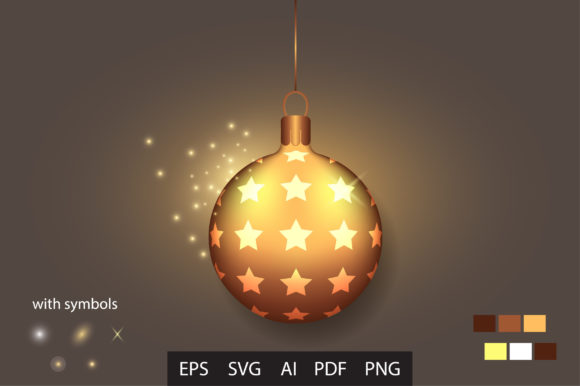
The visual personality of the Merry Christmas Golden 3D Ball is undeniably festive yet sophisticated. The "Golden" aspect suggests a warm, metallic palette that screams premium quality, while the "3D" descriptor hints at shading and dimensionality that can make a flat surface pop. In the world of holiday embroidery, we often see cliché red and green combinations that can look cheap if the stitch quality isn't there. This design, however, aims for a more boutique aesthetic.
The layout appears balanced, likely utilizing a mix of satin stitch for the outlines and text, and fill stitch for the body of the ornament to create that spherical depth. For a designer, the mood here is one of elegant celebration. It feels less like a craft fair throwback and more like something you would find in a high-end home decor catalog. This distinction is crucial because it dictates where the design belongs. It naturally fits into projects where the goal is to elevate the perceived value of the item, rather than just adding a generic seasonal touch.
Real-World Application: The Boutique Sweatshirt Scenario
To truly test the viability of this embroidery file, let's walk through a realistic scenario. Imagine you are preparing a limited run of custom sweatshirt embroidery for a local boutique's December collection. The client wants something that looks expensive but feels cozy. You decide to place the Merry Christmas Golden 3D Ball on the left chest of a heavyweight, cream-colored fleece sweatshirt.
In this context, the design shines. The golden tones contrast beautifully against the cream fabric, creating a soft, inviting look. Because the design is an illustration, it brings a level of artistry that justifies a higher price point for the handmade product. Customers browsing an Etsy seller's shop or walking into a small retail space are drawn to items that look professionally crafted. If the stitching is clean, with no pull or puckering, this design becomes a major selling point. It transforms a basic garment into a personalized gift or a statement piece of custom apparel.
Beyond apparel, consider a tote bag design for holiday shopping. Canvas provides a sturdy base that handles dense stitching well. Here, the Merry Christmas Golden 3D Ball could serve as the central logo for a small shop's seasonal merchandise. The durability of the stitch types used in such illustrations usually holds up well against the wear and tear of a grocery run, provided the stabilizer selection is correct.
Navigating Technical Challenges and Fabric Choices
However, enthusiasm must be tempered with technical caution. The "3D" effect in embroidery often relies on varying stitch density and directional fills. While this creates beauty, it introduces risks on certain materials. If you attempt to stitch this onto a thin, stretchy fabric like a lightweight jersey t-shirt without proper stabilization, you risk distortion. The dense areas required to create the golden sphere's shadow might cause the fabric to pucker, ruining the illusion of depth.
Similarly, textured fabrics present a challenge. If you are working with a heavily textured linen or a waffle knit, the fine details of the Illustrations style might get lost. The thread colors need to stand out against the fabric texture, not blend into it. For dark fabrics, you must ensure the digitizer included an appropriate underlay. Without it, the golden threads might look sparse, failing to achieve that rich, metallic coverage the design promises.
Curved surfaces, such as caps or hats, require extra scrutiny. Placing a detailed spherical design on an already curved surface can be tricky. You need to verify the hoop size compatibility. If the design is too large for a standard cap frame, you might have to resize it, which could compromise the integrity of small details or tiny lettering within the artwork. Always check if the digital embroidery file allows for resizing without losing definition.
Enhancing Brand Value and Customer Trust
From a business perspective, the choice of design directly impacts brand consistency and customer trust. Using a high-quality asset like the Merry Christmas Golden 3D Ball signals to your buyers that you care about presentation. In the competitive landscape of commercial embroidery, professionalism is key. A sloppy or poorly chosen design can undermine the perceived value of even the most expensive garment.
Conversely, a crisp, well-executed design enhances buyer engagement. When a customer receives a package with a beautifully embroidered item, the tactile experience of the stitches reinforces the quality of their purchase. This is especially true for baby embroidery items or heirloom-quality pillow covers where parents and homeowners expect perfection. The design acts as a silent ambassador for your craft business, encouraging repeat purchases and positive reviews.
Practical Notes for the Serious Maker
Before you commit to a full production run, here are some essential steps to take with this specific design:
- Test on Scrap Fabric: Never skip this. Stitch the Merry Christmas Golden 3D Ball on the exact same material and weight you plan to use for the final product. This reveals issues with tension and density immediately.
- Check Thread Contrast: Ensure your golden thread has enough sheen and contrast against your background fabric. Sometimes, a metallic thread behaves differently than rayon or polyester.
- Review Stitch Density: Look closely at the darkest parts of the 3D ball. If the stitches are too close together, it can cause thread bunching. If they are too far apart, the backing will show through.
- Confirm Hoop Size: Measure the design dimensions against your machine's hoop capabilities. Do not assume it fits; measure it.
- Inspect Small Details: Zoom in on the digital preview. Are there tiny running stitches that might break easily? Is the lettering legible at the intended size?
- Mockup Testing: Create black and white mockups to see how the design reads without color. This helps assess the structural integrity of the shading and form.
- Licensing Verification: Since this is a potential commercial asset, confirm the license terms. Can you sell finished items? Can you sell the design assets themselves? Clarity here protects your small shop product line from legal issues.
Ultimately, the Merry Christmas Golden 3D Ball offers a compelling option for those looking to add a touch of refined holiday cheer to their repertoire. Whether you are creating a printable mockup for an online listing or stitching a real embroidered patch, the potential is there. But like any tool in a designer's kit, its success depends on the skill of the operator and the suitability of the application. By approaching it with a mindset of practical evaluation rather than blind excitement, you can ensure that your embroidery project results in a stunning, professional piece that stands out in the crowded holiday market.